extinct for more than 65 million years, they continue to fascinate through books, television, cartoons, and blockbuster films.
However, seeing them on a page or screen is one thing — it is quite another to stand before a real dinosaur skull or hold a fossil in your hand. Here in Dorset, we are fortunate to have the remarkable Jurassic Coast, a UNESCO World Heritage Site stretching 96 miles from Exmouth to Studland Bay. This coastline offers a unique window into Earth’s history, revealing over 185 million years of evolution through its rocks and fossils, from delicate specimens no larger than a fingernail to impressive dinosaur footprints preserved in stone.
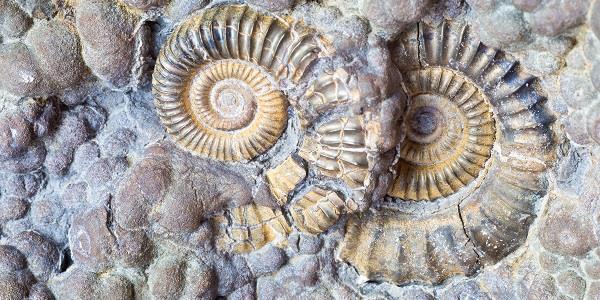
From terrifying dinosaurs to magnificent forests, there was all manner of life on earth long before humans came along. Our famous coastline has abundant evidence of this prehistoric life. In fact, charming seaside towns such as Charmouth and Lyme Regis are so full of fossils that you can discover your very own piece of ancient history just by strolling along the beaches.
The connection between Lyme Regis and fossils dates back over 200 years. In 1811, a remarkable discovery was made by Mary Anning and her brother Joseph, who uncovered an ichthyosaur skull in the cliffs, later followed by the rest of the skeleton. At the time, the find was not fully understood by scientists, who mistakenly believed it to be a crocodile. Nevertheless, this discovery helped place Lyme Regis and the Jurassic Coast firmly on the map for palaeontology and fossil research.
As an adult, Mary Anning became one of the most important early fossil collectors and palaeontologists in history, making significant discoveries that contributed to scientific understanding of prehistoric life.
Today, visitors can explore this rich heritage at the Lyme Regis Museum, wwhich is built on the site of Mary Anning’s former home and houses an impressive fossil collection. The museum also runs popular Fossil Walks, guided beach experiences where visitors can search for fossils alongside experts and learn how to identify their finds.
Lyme Regis is also home to the Dinosaurland Fossil Museum which showcases an extensive private fossil collection and offers visitors the chance to get up close with prehistoric specimens.
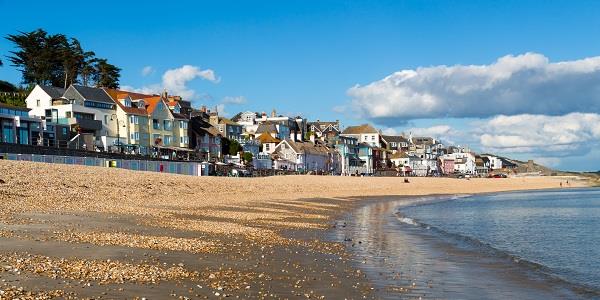
A spectacular mile’s walk (Or just a 10-minute drive) from Lyme Regis, you’ll discover the seaside town of Charmouth. Here you’ll find the Charmouth Heritage Coast Centre, where visitors have the chance to see a real-life sea dragon! Featured in the BBC documentary ‘Attenborough and the Sea Dragon’, this incredible ichthyosaur is a fantastic example of the scale and complexity of life all those years ago. In addition to its impressive displays, the centre also holds regular fossil events, including guided fossil walks.
Meanwhile, local centres such at Portland Museum and Bridport Museum also host fascinating collections of fossils where you can meet amazing ammonites, elegant brittle stars and bullet-like belemnites and discover the rocks where these fantastic fossils were formed.
Another museum worth a vist is the Dorset County Museum in Dorchester. At time of writing (Oct 19), this museum was closed for redevelopement and due to reopen in Summer 2020. In the meantme, the exhibitions are currently touring the county.
Further along the coast, Kimmeridge Bay is another lovely beach where it’s possible to discover all manner of fossils. You can also pay a visit to the Etches Collection Museum, which contains a magnificent collection of Late Jurassic age fossils, all found by one man – Dr Steve Etches MBE. All the fossils were found within 2 miles of the museum itself, and are displayed in a fantastic state-of-the-art gallery which will delight visitors of all ages.
Of course, not all the fossils in this amazing region are found on beaches and museums! Not far from the iconic Lulworth Cove, visitors can take a stroll through an ancient geographical landscape, discovering imprints left behind by the trunks and roots of prehistoric trees over 144 million years ago. Meanwhile, in Purbeck, you can visit the National Trust’s Keates Quarry and walk in the footprints of dinosaurs, with over 100 brachiosaur tracks preserved in the earth.
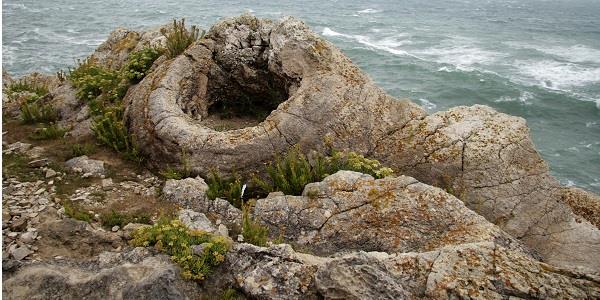
The Jurassic Coast is so rich in fossils, fossil stories, dinosaur tracks and amazing finds that you would need a lifetime to see and explore everywhere, but a holiday in Dorset can certainly be a start and offer a special opportunity to immerse yourself in our dinosaur land.
Book your dinosaur discovery holiday in Dorset today by viewing our special collection of holiday cottages on the Dorset coast.
Jurassic Coast Fossils in Dorset – FAQs
What makes the Jurassic Coast in Dorset famous for fossils?
The Jurassic Coast in Dorset is a UNESCO World Heritage Site known for its exceptional geological history. It spans 96 miles and contains rock formations that reveal over 185 million years of Earth’s history. The coastline is famous for its abundance of fossils, including ammonites, marine reptiles, and even dinosaur footprints.
Where can you find fossils on the Jurassic Coast?
Fossils can be found along many parts of the Jurassic Coast, particularly in fossil-rich areas such as Charmouth and Lyme Regis. These beaches are popular for fossil hunting, especially after storms when new material is exposed along the shoreline
Is fossil hunting in Lyme Regis free?
Yes, fossil hunting in Lyme Regis is free and open to the public. Visitors can explore the beach and search for fossils such as ammonites and ¿¿¿¿¿nites. However, guided fossil walks offered by the Lyme Regis Museum provide expert knowledge and significantly improve the chances of making a successful find.
Who was Mary Anning and why is she important to fossil discovery?
Mary Anning was a pioneering fossil collector and palaeontologist from Lyme Regis. In 1811, she discovered an ichthyosaur skeleton that helped transform scientific understanding of prehistoric life. Her work in Lyme Regis played a major role in establishing the Jurassic Coast as one of the world’s most important fossil sites.
What fossils can you find in Dorset?
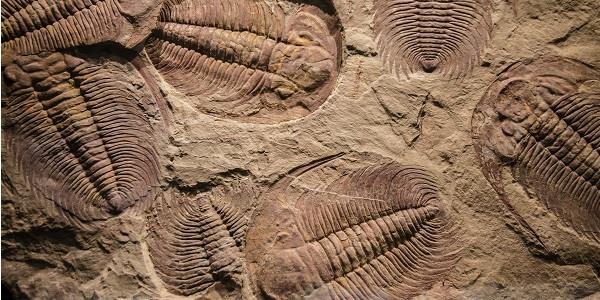
Common fossils found along the Jurassic Coast include ammonites, belemnites, marine reptiles such as ichthyosaurs, and occasional dinosaur footprints. Fossils range in size from tiny shell impressions to large vertebrate remains, making Dorset one of the richest fossil-hunting locations in the UK.
Where can you see real dinosaur fossils in Dorset?
Visitors can see extensive fossil collections at the Dinosaurland Fossil Museum in Lyme Regis. The museum features thousands of specimens, including marine reptiles and ammonites, and offers close-up views of prehistoric life preserved in stone.
What is the Charmouth Heritage Coast Centre?
The Charmouth Heritage Coast Centre is a visitor centre located in Charmouth that educates people about the Jurassic Coast and fossil hunting. It features fossil displays, expert-led talks, and guided walks along the beach where visitors can learn how to safely and responsibly find fossils.
Can children go fossil hunting on the Jurassic Coast?
Yes, fossil hunting is a popular family activity on the Jurassic Coast. Beaches such as Lyme Regis and Charmouth are especially suitable for children due to their accessibility and abundance of fossils. Many local museums and centres also run child-friendly fossil walks and educational activities.
What is the best time to find fossils in Dorset?
The best time to find fossils is often after storms or high tides, when fresh material is exposed on the beaches. Early morning low tides are also ideal for exploring safely and covering more ground along the shoreline.
Why is the Jurassic Coast a UNESCO World Heritage Site?
The Jurassic Coast is designated a UNESCO World Heritage Site because it provides a continuous record of Earth’s geological history. It is one of the most important fossil and geological locations in the world, showcasing evidence of ancient environments, extinct species, and evolutionary change over millions of years.